
What Type of Material Is Used for Rigid Gift Boxes?
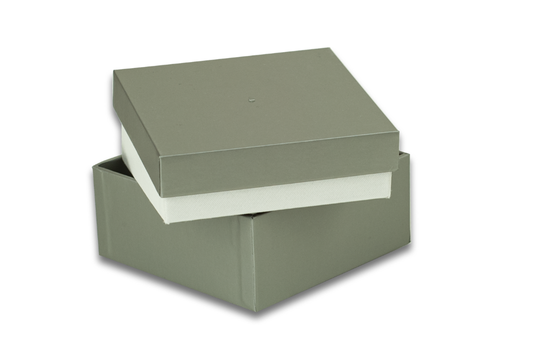
Rigid boxes are known for their strong structure and high-quality look. Unlike regular folding boxes, they are made with thick materials that help them keep their shape. Rigid Box Packaging are often used for gifts, jewelry, cosmetics, watches, electronics, and other special products. Rigid gift boxes are popular because they look attractive, protect products, and can often be reused. But what materials are used to make these boxes? The answer depends on the product, design, strength, and finish needed.
Table of Contents
ToggleTop 7 Materials Used for Rigid Gift Boxes
Different materials can be used to make rigid boxes. Each material offers different benefits. Here are seven common materials used in rigid box packaging.
1. Chipboard Is Commonly Used for Rigid Gift Boxes
Chipboard is one of the most common materials used for rigid boxes. It is made from pressed paper fibers and is thicker than regular paper. Its thick structure helps the box stay strong and keep its shape. This makes chipboard a good choice for many gift and retail products. Chipboard can also be covered with printed paper, fabric, or other materials. This allows brands to create different styles and finishes.
2. Paperboard Creates a Smooth Finish
Paperboard is another material used in rigid packaging. It can be placed over the main box structure to create a smooth outer surface. Brands can print logos, colors, patterns, and product details on paperboard. This makes it useful for businesses that want their packaging to match their brand. For example, a gift brand can use printed paperboard with its logo and brand colors to create attractive Rigid gift boxes.
Read Also: Why are custom rigid boxes better than wooden boxes?
3. Corrugated Material Adds Protection
Corrugated material has a fluted layer between sheets of paper. This structure gives the material extra strength. It is often used when products need more protection during shipping. It can help protect products from bumps and rough handling. Corrugated material can be useful for larger or heavier products. However, it may not have the same smooth look as traditional rigid boxes.
4. Kraft Paper Gives Rigid Gift Boxes a Natural Look
Kraft paper has a simple and natural appearance. It is often used as an outer covering for rigid boxes. Its brown or natural color can give packaging a warm and clean look. It is a popular choice for brands that want a simple packaging style. Kraft paper can also be printed with logos, product details, and simple designs. For Rigid gift boxes, it offers a different look from shiny packaging.
5. Fabric Creates a Premium Feel
Fabric can also be used to cover rigid boxes. It gives the box a soft and high-quality feel. Common fabric choices include cotton, linen, and velvet. Fabric-covered boxes are often used for:
- Jewelry
- Watches
- Luxury gifts
- Special products
Fabric can make the box feel more special when customers hold it. It can also help a brand create a unique packaging style.
6. Specialty Papers Add Style
Specialty papers can give rigid boxes a more detailed look. Some papers have textures, patterns, or special surfaces. These papers can also work with printing methods such as foil printing and embossing. For example, a brand may use textured paper with a simple logo to create a premium gift box.
The right paper can improve the look and feel of the box without changing its strong inner structure.
Read Also: What is a Rigid Box? Detailed Insights and Uses
7. Recycled Materials Support Better Packaging Choices
Some rigid boxes are made with recycled paper or other recycled materials. Using recycled materials can help brands reduce the use of new resources. It can also support packaging choices that focus on reducing waste. Businesses can ask packaging suppliers about recycled material options. The material should still be strong enough to protect the product. Good packaging should balance strength, appearance, and responsible material choices.
What Makes Rigid Boxes Different?
The main difference is their strong structure. Regular folding cartons are designed to fold flat. Rigid boxes are made to stay firm and keep their shape. A rigid box usually has a thick board structure covered with paper, fabric, or another material. This creates a strong base and gives brands many design options. That is why Rigid gift boxes are often used for products that need a high-quality presentation.
How to Choose the Right Material for Rigid Gift Boxes
kThe right material depends on the product and how the box will be used. First, consider the size and weight of the product. Heavy products may need stronger materials.
Next, think about shipping. Boxes that will be shipped may need extra protection. You should also consider the brand style. A luxury brand may prefer fabric or textured paper, while a simple gift brand may choose kraft paper.
Before choosing a material, ask:
- Does it protect the product?
- Is it strong enough?
- Does it fit the product size?
- Does it match the brand?
- Is it easy to print on?
- Can the box be reused?
- Does it fit the budget?
These questions can help you select the right material.
Summary
Rigid boxes can be made with different materials, including chipboard, paperboard, corrugated material, kraft paper, fabric, specialty papers, and recycled materials. Each material has its own benefits. The best choice depends on the product, brand style, protection needs, and budget. For businesses that want strong and attractive packaging, Rigid gift boxes can be a useful option. With the right material and design, they can protect products and create a positive customer experience.