
Get Custom Kraft Rigid Boxes for Your Products
Many brands use kraft packaging because it looks natural, protects their products, and conveys an eco-friendly image. Plain folding cartons can seem flimsy, and plastic packaging often doesn’t align with sustainability goals. Kraft rigid boxes offer both strength and a simple, natural appearance. Kraft rigid boxes use thick board covered with kraft paper. They are great for candles, soap, skincare, food gifts, jewellery, and retail sets. Here, you’ll learn how these boxes are made, what styles and materials to consider, what affects pricing, and what to check before ordering.
Table of Contents
ToggleWhat Are Kraft Rigid Boxes?
Kraft rigid boxes are strong boxes made from thick inner board and wrapped with kraft paper. Kraft paper has a natural brown colour and a simple, earthy appearance.
The thick board gives the box its strength. The kraft paper wrap carries your logo, product name, brand colours, and design. Because rigid boxes do not fold flat, they keep their shape better than thin folding cartons.
For brands looking for a packaging partner, PackagingDot is a good choice for custom kraft rigid boxes. It offers different box styles, materials, printing options, and inserts. Its Best Custom Packaging Boxes range can also help you compare boxes for different products, budgets, and retail needs.
Why Choose Kraft Rigid Boxes?
Kraft rigid boxes are a good choice when you want packaging that looks natural but still feels strong and professional. They are popular with brands that sell handmade, organic, eco-friendly, or premium products.
Natural Appearance
Kraft paper has a warm brown colour that works well with simple designs. It looks especially good with black, white, cream, green, or single-colour logos.
This natural look suits products such as soap, candles, coffee, tea, bakery items, skincare, and gift sets. It can make a product feel handmade, organic, or environmentally friendly.
Strong Protection
The rigid board inside the box gives it a firm structure. This helps protect products during storage, handling, and delivery.
For fragile products, add an insert to hold the item in place. A well-fitted insert reduces movement and lowers the risk of damage.
Good for Branding
Kraft boxes give you a clean background for your logo and product details. You can keep the design simple or add a premium finish. Many brands use a black or white logo on kraft paper. Others use foil stamping, embossing, or a simple coloured border to make the box stand out.
Read Also: All-in-One Custom Packaging Solutions for Retail & E-Commerce
Best Products for Kraft Rigid Boxes
Kraft rigid boxes work well for many retail products, especially those that need a natural or handmade look.
Common product examples include:
- Candles and home fragrance
- Soap and bath products
- Skincare and cosmetics
- Tea, coffee, and chocolate
- Bakery and specialty food items
- Jewellery and small accessories
- Gift sets and seasonal hampers
- Stationery and small retail products
For food products, always confirm that the box material, insert, and any coating are safe for the intended use. Not every paper material is suitable for direct contact with food.
Popular Kraft Rigid Box Styles
The right box style depends on your product, budget, and how you want customers to open the package.
Lid-and-Base Boxes
A lid-and-base box has a separate lid that lifts off the base. It is simple, strong, and easy to pack.
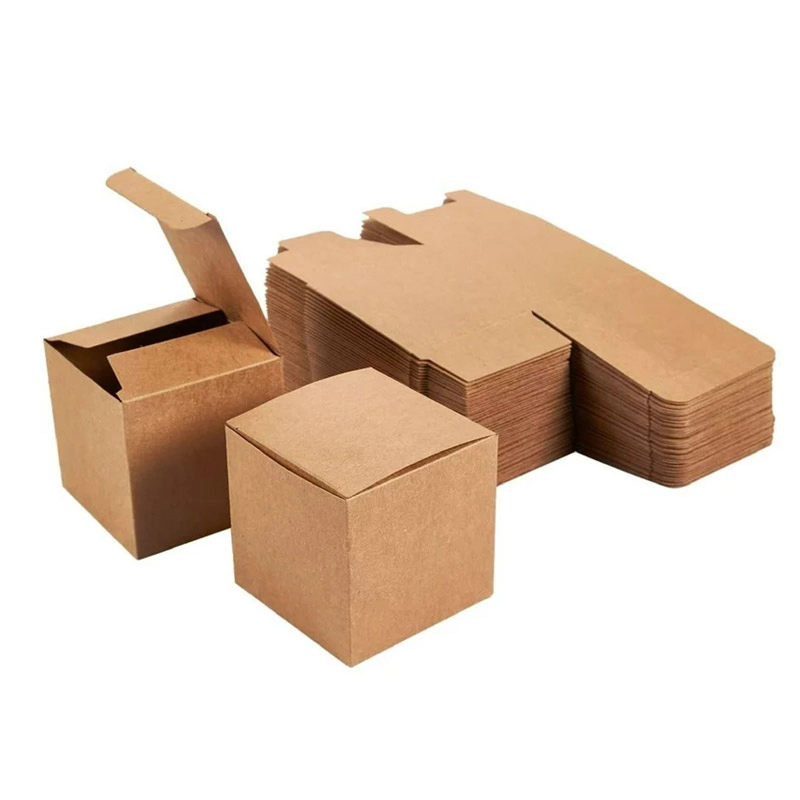
This style works well for candles, soap sets, skincare products, and gift boxes. Make sure the lid fits properly so it does not slide off during handling.
Magnetic Closure Boxes
A magnetic closure box uses magnets to keep the lid shut. It looks premium and keeps the box secure.
This style is a good choice for jewellery, high-end skincare, premium gift sets, and products with a higher price. Magnets and special closures can increase the cost, so use them when the added presentation value is worth it.
Drawer Boxes
A drawer box has an inner tray that slides out of an outer cover. It creates a neat reveal when the customer opens it.
This style works well for small products, samples, jewellery, and gift sets. Accurate sizing is important so the drawer slides smoothly without being too tight or too loose.
Boxes With Handles
A box with handles is easier for customers to carry. Handles work well for gift sets, hampers, and retail products that customers take home directly.
Choose strong handles that can support the full weight of the packed box. Weak handles can tear and cause the box to drop.
Materials and Customisation Options
Kraft rigid boxes can be customised in many ways. Each choice changes the look, strength, and cost of the final box.
Board Thickness
Thicker board makes the box stronger and more durable. It is better for heavy products, fragile items, and boxes that will be reused.
Thinner board can reduce weight and cost, but it may not be suitable for heavy products or long-distance shipping.
Kraft Paper Finish
Natural kraft paper has an unfinished, earthy look. It is a popular choice for eco-friendly and handmade brands.
Some suppliers also offer bleached or coated kraft options. These can create a lighter or smoother surface, but they may change the recycling process. Ask your supplier for full material details before ordering.
Printing Options
Common printing choices include:
- Digital printing: Useful for smaller orders and detailed designs.
- Offset printing: Often better for larger orders and consistent colour.
- Foil stamping: Adds a metallic finish, such as gold, silver, or copper.
- Embossing: Raises part of the design above the surface.
- Debossing: Presses part of the design into the surface.
- Spot UV: Adds shine to selected areas, such as a logo.
For kraft boxes, simple printing often looks best. A clean logo, product name, and one accent colour can create a strong retail presence.
Inserts and Fillers
Inserts hold products in place. Fillers fill empty spaces and stop items from moving.
Common eco-friendly options include cardboard inserts, moulded pulp inserts, shredded paper, tissue paper, and wood wool. For fragile products, ask whether moulded pulp or other protective inserts are suitable for your product shape and weight.
However, for brands that want a more polished or premium look, Custom Rigid Boxes from PackagingDot are a strong option. They can include magnetic closures, foil logos, embossing, and fitted inserts to match higher-end products.
What Affects the Cost of Kraft Rigid Boxes?
Kraft rigid boxes usually cost more than folding cartons because they use more material and cannot be shipped flat. The final cost depends on several factors.
- Box size: Larger boxes need more board and paper.
- Board thickness: Thicker board increases strength and material use.
- Order quantity: Larger orders often reduce the cost per box.
- Printing method: Full-colour printing can cost more than one- or two-colour printing.
- Finishes: Foil, embossing, debossing, and spot UV add cost.
- Inserts: Custom moulded inserts usually cost more than simple cardboard dividers.
- Closures and handles: Magnets, ribbons, and handles add material and assembly steps.
If you have a limited budget, start with a simple lid-and-base box, one-colour printing, and a cardboard insert. You can add foil stamping or a magnetic closure later once the product has steady sales.
How to Order Custom Kraft Rigid Boxes
A clear ordering process helps you avoid sizing errors, weak structures, and unexpected costs.
- Measure every product. Record the length, width, height, and weight of each item, including any inner packaging.
- Choose the box style. Match the opening style to your product and customer experience.
- Select the board thickness. Use thicker board for heavy or fragile products.
- Decide on inserts. Choose cardboard, moulded pulp, or another insert based on product protection needs.
- Prepare print-ready artwork. Include your logo, product name, colours, and any required product information.
- Request a written quotation. Ask for the box size, material, print method, finish, quantity, and delivery terms in writing.
- Order a sample. Check the fit, strength, print quality, closure, and overall appearance.
- Approve the final specification. Confirm all details in writing before full production.
A sample is especially important for rigid boxes. It helps you find problems with lid fit, insert size, print colour, or box strength before you order a large quantity.
Common Mistakes to Avoid
Many packaging problems happen because decisions are made too late. Avoid these common mistakes:
- Ordering before measuring the product. Always design the box around the real product and its accessories.
- Choosing a box that is too large. Extra space can make products move and look untidy.
- Using weak inserts. Fragile products need proper support.
- Adding too many finishes. One or two finishes usually look more professional than several competing effects.
- Assuming all kraft packaging is recyclable everywhere. Recycling rules can differ by location, coating, and material.
- Forgetting required labels. Some products need ingredients, warnings, batch numbers, or other important details.
- Skipping the sample. A sample can reveal issues that a digital design cannot show.
Summary
Kraft rigid boxes are a strong choice for brands that want natural-looking packaging with reliable protection. They work well for candles, soap, skincare, food gifts, jewellery, and retail sets.
Before ordering, measure your product carefully, choose the right board thickness, decide on inserts, and keep the design simple. Request a sample and confirm all material, printing, and delivery details in writing. Explore PackagingDot’s kraft rigid box options and request a quote to find the right size, material, and finish for your products.